

Stepping into automated trading can feel uncomfortable. You’re handing over control of real money to software you can’t see or fully understand. For new traders, this psychological barrier often stands between them and potentially useful technology. The question isn’t whether AI trading platforms work, but whether you can trust them enough to use one.
Trust in AI trading platforms builds on three pillars: regulatory compliance, transparency in operations, and verifiable track records. Legitimate platforms maintain clear risk disclosures, provide users with full account control, and operate through regulated brokers rather than holding funds directly.
Why Trusting Machines With Money Feels Different
Humans evolved to trust other humans, not algorithms. When you work with a financial advisor, you read body language, ask questions, and build rapport over time. With AI trading platforms, these social cues disappear. You’re left with data, dashboards, and promises.
This creates a specific type of anxiety that researchers call “algorithm aversion.” Studies show people often prefer human decision-making even when algorithms perform better. In trading, this manifests as hesitation to activate automated systems, constant monitoring that defeats the purpose of automation, or premature shutdowns after normal market losses.
The fear makes sense. Financial scams exist, and some use AI buzzwords to sound legitimate. Bad actors know that complex technology confuses people, making it easier to hide fraudulent schemes behind technical jargon. This reality means healthy skepticism protects you. The goal isn’t to trust blindly, but to know what separates legitimate platforms from problematic ones.
What Legitimate Platforms Do Differently
When evaluating whether a platform deserves trust, look at structural factors rather than marketing claims. Legitimate AI trading platforms share specific characteristics that scams cannot easily replicate.
First, they never hold your money directly. Reputable systems like those offered through AI trading platforms connect to established, regulated brokers where you maintain your own account. You control deposits, withdrawals, and can disconnect the AI at any time. This structure means the platform provider cannot disappear with your funds, because they never possess them.
Second, they provide clear risk disclosures. Trading involves real risk of loss, and legitimate companies state this prominently. If a platform promises guaranteed returns or claims zero risk, that’s a red flag. Markets don’t work that way, and honest providers acknowledge this reality upfront.
Third, they explain how their system works in understandable terms. You don’t need to understand every line of code, but you should grasp the basic strategy. Does it trade based on technical indicators? Does it use statistical arbitrage? Does it follow trends or counter them? Platforms that hide their methodology behind vague “proprietary secrets” often do so because there’s nothing substantial to explain.
Fourth, they operate transparently regarding company information. Legitimate fintech companies have verifiable addresses, leadership teams with real backgrounds, and proper business registrations. Miami-based Korvato, for example, operates as an identifiable fintech company with a specific location and disclosed business model focused on forex algorithmic trading technology.
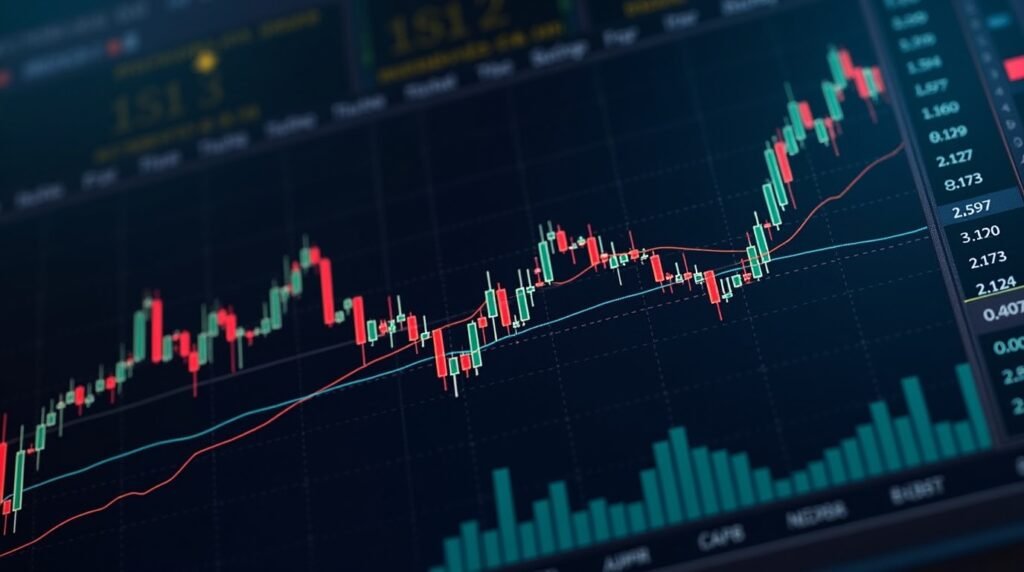
The “Is Korvato Legit” Question and How to Evaluate Any Platform
When new traders ask “is Korvato legit,” they’re really asking a broader question: how do I evaluate any automated trading platform? The answer involves checking multiple factors rather than relying on a single data point.
Start with company verification. Does the company have a physical location? Can you find incorporation records? Is there a real team, or just stock photos and fake names? Legitimate platforms withstand this scrutiny because they operate as actual businesses with legal obligations and public accountability.
Next, examine the technology claims. Be suspicious of platforms claiming impossibly high accuracy rates or suggesting their AI has “cracked the market.” Financial markets involve competition among millions of participants with various information advantages. No system wins every trade, and legitimate platforms don’t claim otherwise.
Look at how the platform handles your capital. You should maintain direct control through a broker account rather than sending money to the platform itself. This separation of concerns protects you significantly. The platform provides technology; the broker holds funds. Neither can access your money without your authorization.
Review the fee structure. Legitimate platforms typically charge subscription fees, performance fees, or both. These should be clearly stated upfront. Hidden fees, unclear pricing, or pressure to deposit large amounts immediately all signal problems.
Consider the educational approach. Trustworthy platforms educate users about risks and realistic expectations. They want informed customers who understand what they’re using. Scams rush you toward deposits before you can think critically about the offering.
Building Confidence Through Gradual Exposure
Even after determining a platform meets legitimacy criteria, you might still feel uncomfortable. This is normal and actually healthy. Trust should build gradually, not instantly.
Start by understanding the specific system you’re considering. If you’re looking at forex algorithmic trading through systems like Optimus AI, learn the basics of how currency markets work. You don’t need expert knowledge, but understanding that forex involves currency pairs, operates 24/7, and responds to economic data helps you grasp what the AI is actually doing.
Use demo accounts when available. Many platforms offer paper trading or simulation modes. These let you observe the system’s behavior without risking real capital. Watch how it responds to different market conditions. Does it follow the strategy it claims? How does it handle losing periods?
When you do start with real money, begin small. Use only capital you can afford to lose while you evaluate performance and build confidence. This isn’t about doubting the technology; it’s about giving yourself psychological comfort while you learn. As you verify the system behaves as expected, you can adjust your approach.
Monitor initially, then step back. New users often watch their automated systems constantly, which creates stress and defeats the purpose of automation. Set specific check-in times rather than obsessive monitoring. The AI operates based on its programming, not your attention level.
Understand that losses will occur. No trading system wins every trade. Legitimate fintech trust comes from consistent behavior over time, not perfect results. If you expect perfection, you’ll lose confidence at the first normal drawdown.
The Role of Investor Confidence in Long-Term Success
Your psychological state directly affects your results with automated trading. This seems counterintuitive since the AI makes decisions, not you. But your confidence level determines whether you’ll stick with a sound system long enough for it to work.
Trader psychology research shows most automated system failures come from user interference, not system flaws. People shut down systems after losses, restart them at the wrong times, or constantly adjust settings based on emotions. This behavior undermines any statistical edge the system might have.
Building genuine investor confidence means accepting market realities. Trading involves uncertainty. Even sophisticated systems face losing periods because markets change and no strategy works in all conditions. Your confidence should rest on the system’s overall approach and risk management, not on avoiding losses entirely.
Document your decision-making. Write down why you chose a particular platform and what criteria would make you stop using it. This creates accountability and prevents emotional reactions. If you decided to evaluate a system over three months, don’t abandon it after two weeks of losses unless it violates your predetermined exit criteria.
Separate the platform’s legitimacy from market performance. A legitimate platform can have losing periods because markets are unpredictable. A scam is a scam regardless of whether it shows fake profits or real losses. These are different issues requiring different evaluation methods.
Connect with other users when possible. Legitimate platforms often have user communities where people share experiences. These conversations help calibrate expectations and reduce the isolation that feeds anxiety. You’ll learn that others experience the same doubts and how they manage them.
| Trust Factor | Legitimate Platform | Red Flag |
|---|---|---|
| Fund Control | You maintain account with regulated broker | Platform holds your money directly |
| Performance Claims | Realistic expectations with risk disclosure | Guaranteed returns or impossibly high accuracy |
| Company Information | Verifiable location, leadership, registration | Anonymous operators or fake credentials |
| Fee Structure | Clear, upfront pricing | Hidden fees or pressure for large deposits |
| Education | Explains risks and sets realistic expectations | Rushes you toward deposits, minimizes risks |
Moving Forward With Informed Caution
Trust in AI trading platforms shouldn’t come from blind faith or aggressive marketing. It builds from verifiable facts about company structure, transparent operations, realistic expectations, and gradual personal experience.
The technology itself continues improving. Modern algorithmic trading systems can process information and execute trades faster than humans while removing emotional bias. These advantages are real, but they don’t eliminate market risk or guarantee profits. Understanding this distinction helps you evaluate platforms accurately.
Your hesitation about automated systems reflects intelligence, not weakness. The finance industry has enough bad actors that skepticism serves you well. The key is directing that skepticism productively by checking verifiable factors rather than letting fear prevent you from exploring potentially useful tools.
As you consider AI trading platforms, remember that all trading involves risk and past performance doesn’t predict future results. You remain responsible for your investment decisions regardless of what technology you use. The platform provides tools; you provide capital, risk tolerance, and strategic oversight.
Start with research, verify company legitimacy, understand the technology’s actual capabilities and limitations, begin small, and let confidence build through experience rather than promises. This approach protects you while allowing access to trading technology that was previously available only to institutions.
Trading Disclaimer:
This trading bot and any related content are provided for entertainment purposes only and do not constitute financial or investment advice. Trading involves significant risk and may lead to the loss of your funds. No profit or performance is guaranteed. Automated trading systems may be impacted by market volatility, software bugs, or technical disruptions. By using this system, you agree that you are solely responsible for all trading actions and outcomes. Always research carefully and trade at your own risk.